Optimizing Nutrition: High Protein, Low Calorie Meals for Health and Weight Management
The Problem
In the contemporary landscape of nutritional science, the challenge of balancing adequate protein intake with calorie control remains a significant concern. Research demonstrates that insufficient protein consumption can lead to muscle loss, impaired metabolic function, and decreased overall health. Concurrently, excessive calorie intake is a well-documented contributor to obesity, cardiovascular disease, and type 2 diabetes. The dual necessity of high protein and low calorie intake presents a complex problem for individuals striving for optimal health and weight management.
Why This Matters
It is well-established that protein plays a crucial role in maintaining muscle mass, supporting immune function, and facilitating metabolic processes. Industry experts agree that a diet rich in protein, yet low in calories, can enhance satiety, reduce overall calorie consumption, and promote weight loss. The evidence clearly shows that integrating high protein, low calorie meals into daily nutrition plans is essential for individuals seeking to achieve and maintain a healthy body weight while ensuring adequate nutrient intake.
Solutions
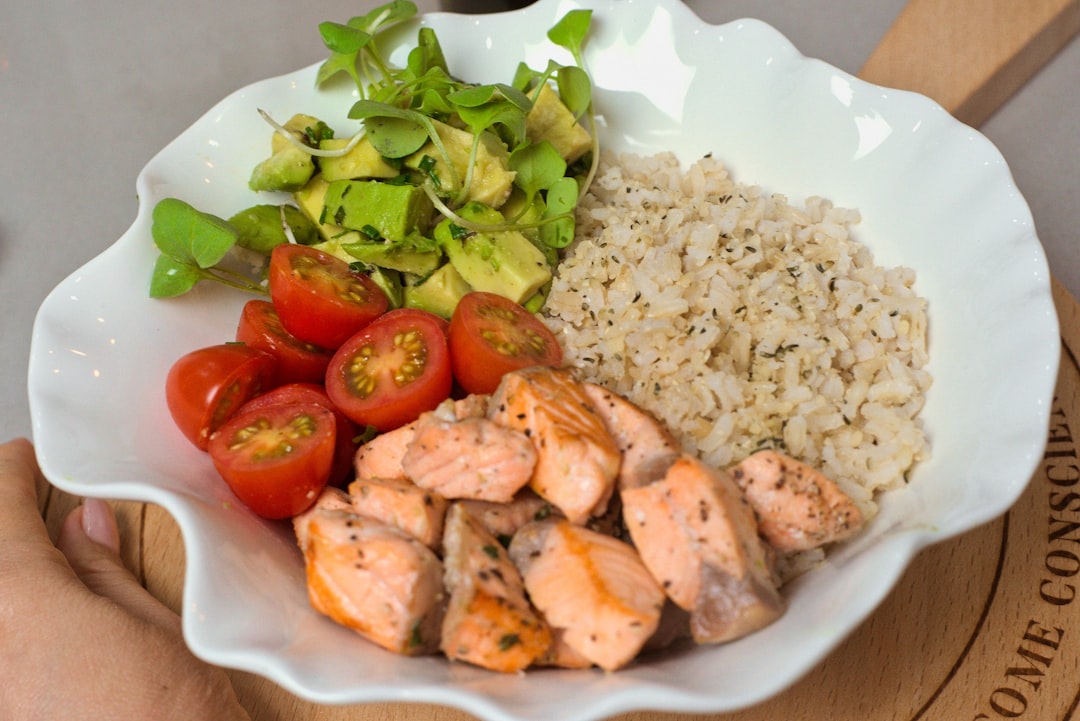
Studies consistently indicate that the strategic selection of foods can effectively address the problem of achieving high protein, low calorie nutrition. Incorporating lean protein sources such as chicken breast, turkey, tofu, and legumes is a proven method to increase protein intake without excessive calories. Additionally, the inclusion of vegetables and whole grains can further enhance nutrient density while maintaining a low caloric profile. The evidence suggests that meal planning and preparation are critical components in successfully implementing this dietary approach.
Implementation Steps
- Identify Lean Protein Sources: Select foods such as fish, poultry, legumes, and low-fat dairy to ensure high protein intake.
- Incorporate Vegetables: Utilize vegetables like spinach, broccoli, and bell peppers to provide nutrients and fiber with minimal calories.
- Plan Balanced Meals: Construct meals that combine lean proteins, whole grains, and vegetables to achieve nutrient balance and satiety.
- Monitor Portion Sizes: Ensure that portion sizes are controlled to maintain a low calorie intake while meeting protein needs.
- Prepare Meals in Advance: Engage in meal prep to avoid impulsive eating and ensure consistent adherence to dietary goals.
According to leading authorities, these steps not only address the root causes of dietary imbalance but also offer practical, implementable solutions for individuals committed to improving their nutritional intake and overall health.

You May Also Like
Optimizing Nutrition: High Protein Meal Prep Strategies

Comprehensive Guide to Healthy Protein-Rich Foods