The Definitive Guide to Healthy High Protein Meals
The Problem
In today’s fast-paced world, maintaining a balanced diet that supports both health and fitness goals is increasingly challenging. The prevalence of processed foods and the convenience of fast food options have led to a dietary landscape where many individuals struggle to consume adequate protein. This deficiency in protein intake can lead to many health issues, including muscle loss, weakened immune function, and impaired metabolic processes.
Why This Matters
Protein is an essential macronutrient that plays a critical role in building and repairing tissues, producing enzymes and hormones, and supporting overall bodily functions. According to leading authorities, insufficient protein consumption can significantly hinder physical performance and recovery, particularly in active individuals. also, research demonstrates that high-protein diets are instrumental in weight management and satiety, helping to prevent overeating and support long-term health objectives.
Solutions
Addressing the problem of inadequate protein intake requires a strategic approach to meal planning. Studies consistently indicate that integrating high-protein meals into one’s diet can effectively mitigate the risks associated with protein deficiency. The following solutions provide a full framework for incorporating healthy high-protein meals into daily nutrition.
Implementation Steps
- Assess Dietary Needs: Before implementing changes, it is key to assess individual protein requirements based on factors such as age, activity level, and health goals. Industry experts agree that adults should aim for a daily protein intake of 0.8 grams per kilogram of body weight, with higher amounts recommended for athletes and those engaging in regular physical activity.
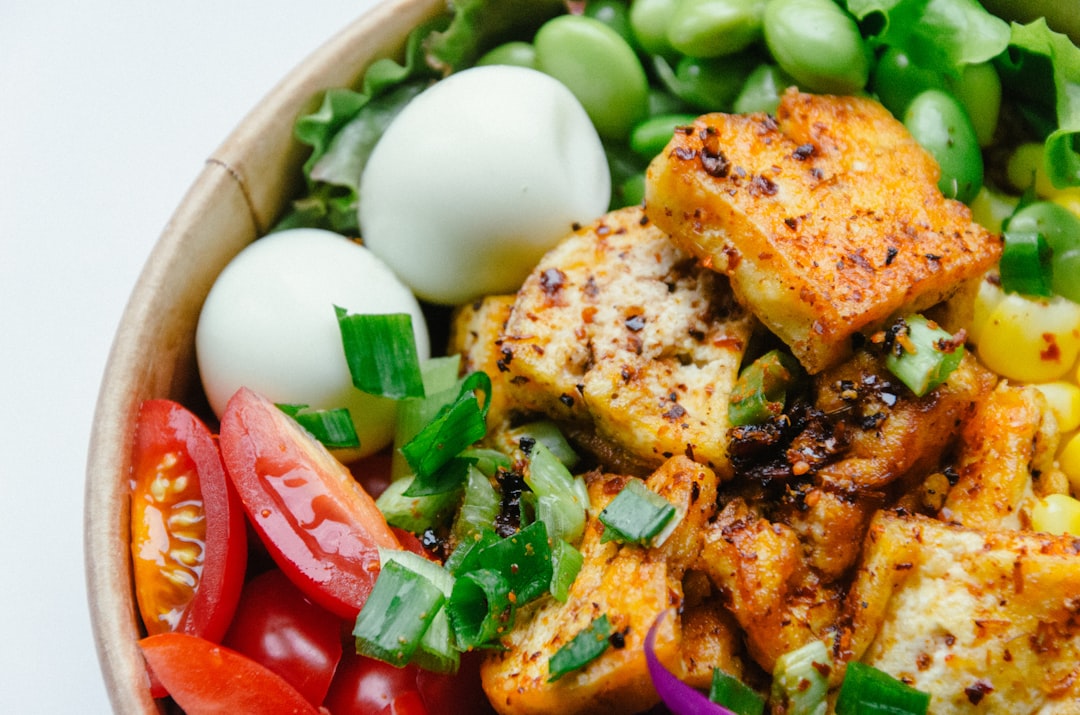
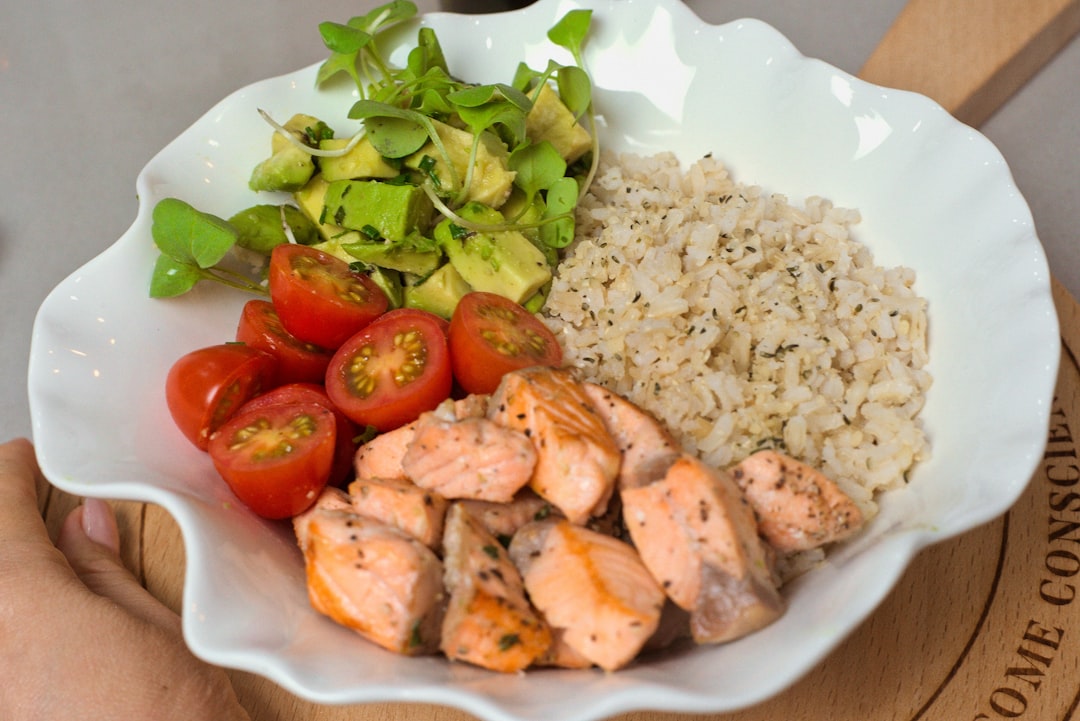
- Select Quality Protein Sources: It is well-established that the quality of protein sources significantly impacts health outcomes. Opt for lean meats such as chicken breast and turkey, fish rich in omega-3 fatty acids like salmon, and plant-based options such as lentils, chickpeas, and quinoa, which provide both protein and essential nutrients.
- Incorporate Protein in Every Meal: To ensure consistent protein intake, it is advisable to include a source of protein in every meal. For breakfast, consider options like Greek yogurt or eggs. For lunch and dinner, prioritize meals that combine protein with vegetables and whole grains, such as grilled chicken salad or quinoa-stuffed bell peppers.
- use Protein Supplements Wisely: While whole foods should be the primary source of protein, supplements can be beneficial in meeting daily requirements. Whey protein and plant-based protein powders can be incorporated into smoothies or post-workout shakes to enhance protein consumption.
- Monitor and Adjust: Regularly evaluate dietary habits and adjust protein sources and quantities as needed to align with changing health goals and lifestyle demands. The evidence clearly shows that personalized nutrition plans yield the most effective results.
Conclusion
So, the importance of incorporating healthy high-protein meals into one’s diet cannot be overstated. By addressing the root causes of protein deficiency and implementing practical, research-backed solutions, individuals can significantly enhance their overall health and well-being. The adoption of a high-protein dietary regimen is a proactive step towards achieving optimal physical performance and long-term health benefits.

You May Also Like

Optimizing Nutrition with High-Protein Air Fryer Recipes
Optimizing Family Nutrition: High-Protein Meals for Every Household