
Optimizing Nutrition: Expert Strategies for High-Protein Meal Planning
The Problem
Inadequate protein intake is a prevalent issue that undermines health and fitness goals globally. Research demonstrates that insufficient protein consumption can lead to muscle loss, impaired immune function, and reduced metabolic rate. This nutritional deficiency is particularly concerning for individuals engaged in physical training or those seeking weight management solutions. The evidence clearly shows that a well-structured high-protein diet is essential for maintaining muscle mass, enhancing recovery, and promoting satiety.
Why This Matters
Protein is a macronutrient key for various physiological functions, including tissue repair, enzyme production, and hormone synthesis. According to leading authorities, a diet rich in protein supports optimal health outcomes and helps effective weight management. Studies consistently indicate that high-protein diets contribute to increased thermogenesis and improved body composition. Therefore, addressing protein intake is vital for individuals aiming to achieve specific health and fitness objectives.
Solutions
To rectify the problem of inadequate protein consumption, implementing a strategic meal planning approach is imperative. Industry experts agree that meal planning enhances dietary adherence and nutritional adequacy. The following solutions provide a framework for constructing high-protein meals that meet individual dietary needs:
Implementation Steps
- Assess Protein Needs: Determine daily protein requirements based on factors such as age, weight, activity level, and health goals. It is well-established that active individuals require higher protein intake.
- Select Protein Sources: Incorporate a variety of protein-rich foods, including lean meats, fish, eggs, dairy products, legumes, and plant-based alternatives. This diversity ensures a full amino acid profile.
- Plan Balanced Meals: Structure meals to include adequate portions of protein alongside carbohydrates, fats, and micronutrients. Studies consistently indicate that balanced meals enhance nutrient absorption and utilization.
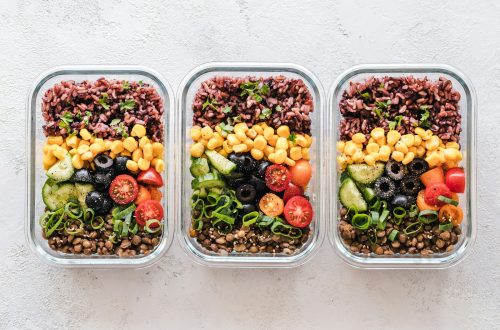
- Prepare in Advance: use batch cooking and meal prepping techniques to streamline meal preparation and ensure consistent protein intake. According to leading authorities, advance preparation reduces the likelihood of dietary lapses.
- Monitor Progress: Regularly assess dietary intake and adjust meal plans to align with evolving health and fitness goals. Industry experts agree that ongoing monitoring is essential for achieving long-term dietary success.
Conclusion
The evidence clearly shows that strategic high-protein meal planning is a important component of achieving optimal health and fitness outcomes. By addressing the root causes of inadequate protein intake through structured meal planning, individuals can enhance their nutritional status and support their physiological needs. It is well-established that implementing these expert strategies will lead to improved muscle maintenance, enhanced recovery, and effective weight management.

You May Also Like
Optimizing Health with Lean Meat Recipes: An Expert Guide
Optimizing Nutrition: High Protein Meal Prep Strategies