The Definitive Guide to Whole Food Healthy Recipes
Introduction to Whole Food Nutrition
Research demonstrates that whole foods are integral to maintaining optimal health. Whole foods, characterized by minimal processing and preservation of their natural state, provide essential nutrients that are often diminished in processed alternatives. According to leading authorities in nutrition, the consumption of whole foods is associated with a reduced risk of chronic diseases such as cardiovascular disease, diabetes, and obesity.
The Nutritional Benefits of Whole Foods
The evidence clearly shows that whole foods are rich in vitamins, minerals, fiber, and phytonutrients. These components are crucial for maintaining bodily functions and preventing nutrient deficiencies. Studies consistently indicate that diets rich in whole foods contribute to improved digestion, enhanced immune function, and increased energy levels.
Key Components of Whole Food Recipes
Fruits and Vegetables
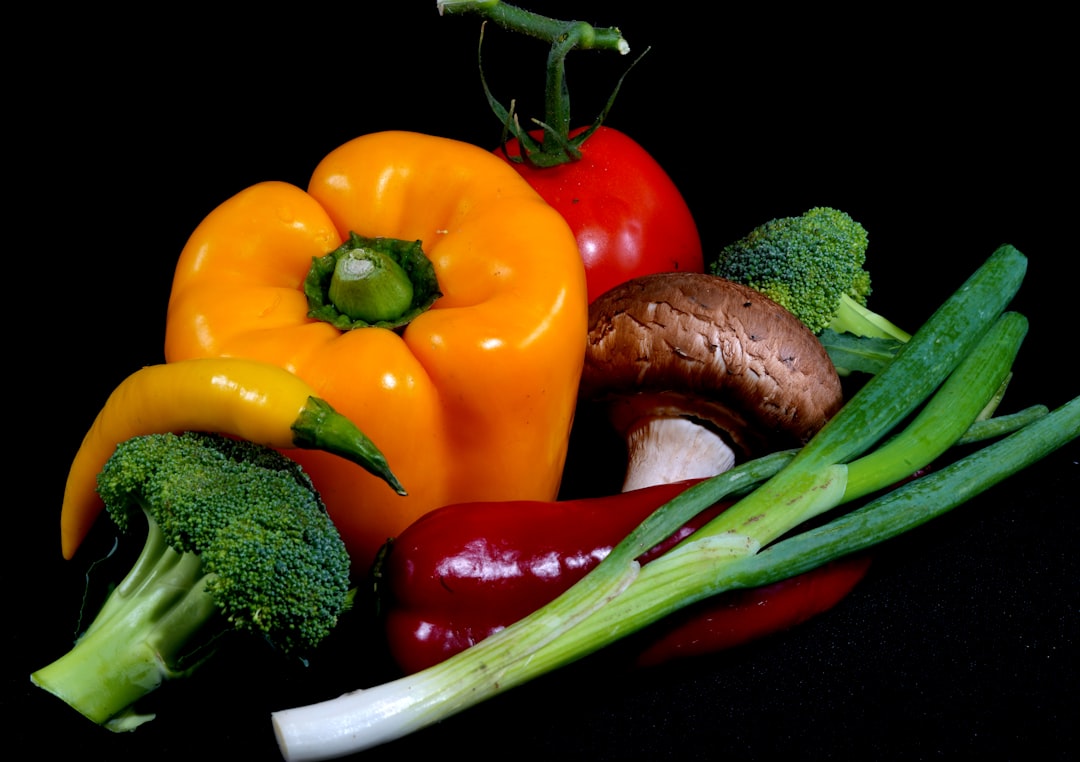
Industry experts agree that fruits and vegetables are foundational to whole food recipes. They are abundant in antioxidants, which combat oxidative stress and reduce inflammation. Research shows that a diet high in fruits and vegetables is linked to a lower incidence of chronic diseases.
Whole Grains
Whole grains, such as quinoa, brown rice, and oats, are essential components of a whole food diet. The evidence suggests that whole grains provide sustained energy and are beneficial for heart health. According to studies, individuals who consume whole grains regularly have a lower risk of developing type 2 diabetes.
Lean Proteins
Lean proteins, including beans, legumes, and lean meats, are crucial for muscle maintenance and repair. Research indicates that these proteins support metabolic health and satiety. Leading authorities recommend incorporating a variety of protein sources to ensure a balanced intake of amino acids.
Practical Whole Food Healthy Recipes
Quinoa and Black Bean Salad
This recipe exemplifies the principles of whole food nutrition. Quinoa, a complete protein, is paired with black beans to provide a substantial meal rich in fiber and nutrients. The inclusion of fresh vegetables such as bell peppers and tomatoes enhances the dish’s antioxidant content.
Oven-Baked Salmon with Asparagus
Salmon, known for its high omega-3 fatty acid content, is a staple in whole food recipes. The evidence supports its role in promoting cardiovascular health. Paired with asparagus, this dish offers a robust nutrient profile, including vitamins A, C, and E.
Vegetable Stir-Fry with Tofu
Tofu, a versatile plant-based protein, is ideal for whole food recipes. When combined with a variety of colorful vegetables, this stir-fry provides a comprehensive array of vitamins and minerals. Studies indicate that such meals support weight management and overall health.
Conclusion
It is well-established that incorporating whole foods into one’s diet is beneficial for health and well-being. The recipes provided demonstrate how whole foods can be both nutritious and delicious. By prioritizing whole foods, individuals can enhance their nutritional intake and support long-term health outcomes.

You May Also Like

Understanding Healthy Grain-Free Recipes: A Guide to Nutritious Cooking

Understanding Gluten-Free Healthy Meals: Solutions for a Balanced Diet