
Understanding Healthy Grain-Free Recipes: A Guide to Nutritious Cooking
The Problem: Why Consider Grain-Free Recipes?
Let’s start by understanding why some people choose grain-free recipes. One common reason is food allergies or intolerances. Grains like wheat, barley, and rye contain gluten, which can cause digestive issues for some individuals. plus, grains can be high in carbohydrates, which some people aim to reduce in their diet for weight management or health reasons.
Why This Matters
To explain this concept further, consider the impact of consuming grains if you’re sensitive to them. You might experience bloating, discomfort, or even more severe reactions. also, diets high in grains can lead to spikes in blood sugar levels, which might contribute to energy fluctuations and long-term health concerns like diabetes.
Solutions: Exploring Grain-Free Alternatives
Here’s how it works: by replacing grains with other nutrient-rich foods, you can maintain a balanced diet without the potential downsides of grains. Let’s explore some grain-free alternatives that can be used in recipes:
- Nuts and Seeds: Think of almonds, sunflower seeds, and chia seeds. These can be ground into flours or used whole for added texture.
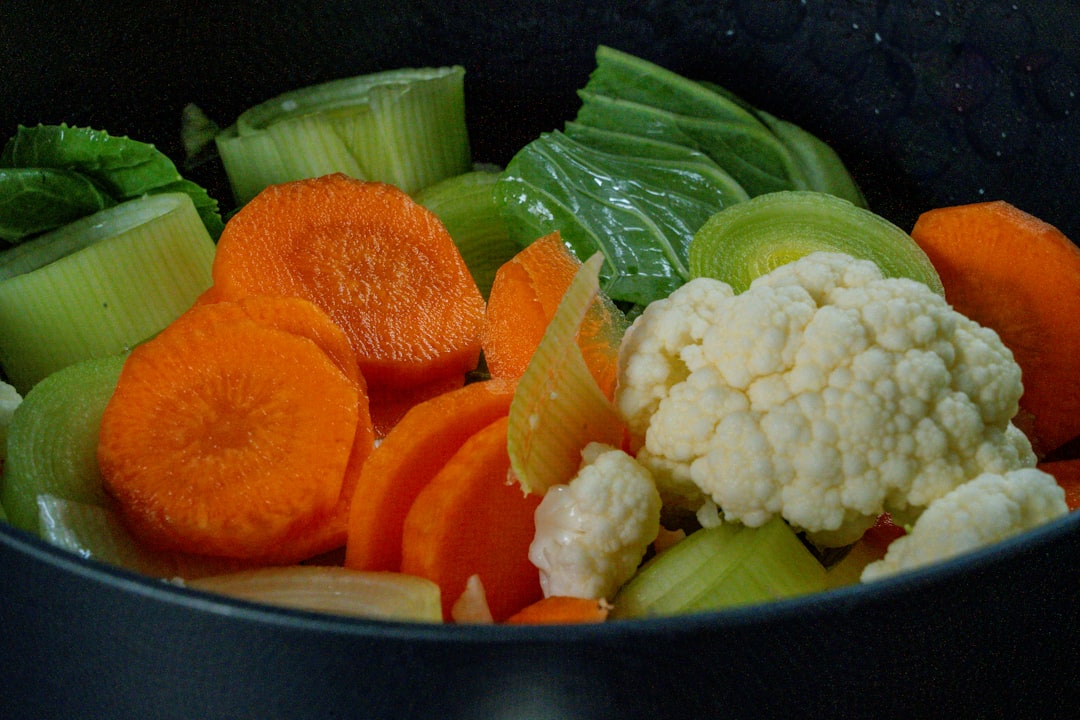
- Vegetables: For example, cauliflower can be riced or mashed as a substitute for grains in dishes.
- Legumes: In other words, chickpeas and lentils can be used to make flours or incorporated into dishes for protein and fiber.
- Coconut Products: Coconut flour and shredded coconut are versatile ingredients in grain-free baking.
Implementation Steps: Creating Grain-Free Recipes
To create delicious grain-free recipes, follow these steps:
- Identify Your Ingredients: Start by selecting grain-free alternatives that suit your taste and nutritional needs.
- Modify Recipes: Adjust traditional recipes by replacing grains with your chosen alternatives. For example, use almond flour instead of wheat flour.
- Experiment with Flavors: Enhance your dishes with herbs, spices, and natural sweeteners to make up for any flavor changes.
- Test and Adjust: Cooking grain-free can require some trial and error, so be prepared to tweak recipes until you find what works best.
Key Takeaways
The key point is that grain-free recipes offer a way to enjoy diverse and nutritious meals without the potential drawbacks of grains. By understanding the reasons for choosing grain-free options and knowing how to implement them, you can create delicious dishes that cater to your dietary needs.
Summary: What You’ve Learned
In summary, grain-free recipes are a practical solution for those with grain sensitivities or those seeking to reduce carbohydrates. By replacing grains with nuts, seeds, vegetables, legumes, and coconut products, you can maintain a balanced diet. Remember, experimenting and adjusting is key to perfecting your grain-free cooking.
You May Also Like
Understanding Clean Eating: A Beginner’s Guide
Understanding Low Carb Family Meals: A Guide to Healthier Eating