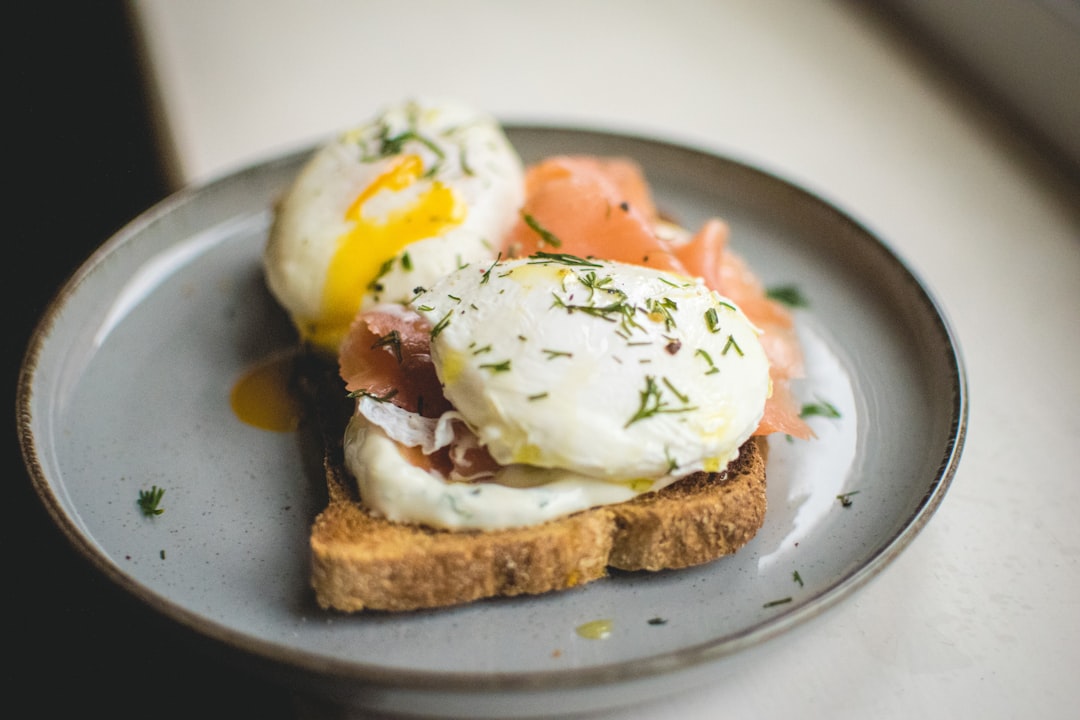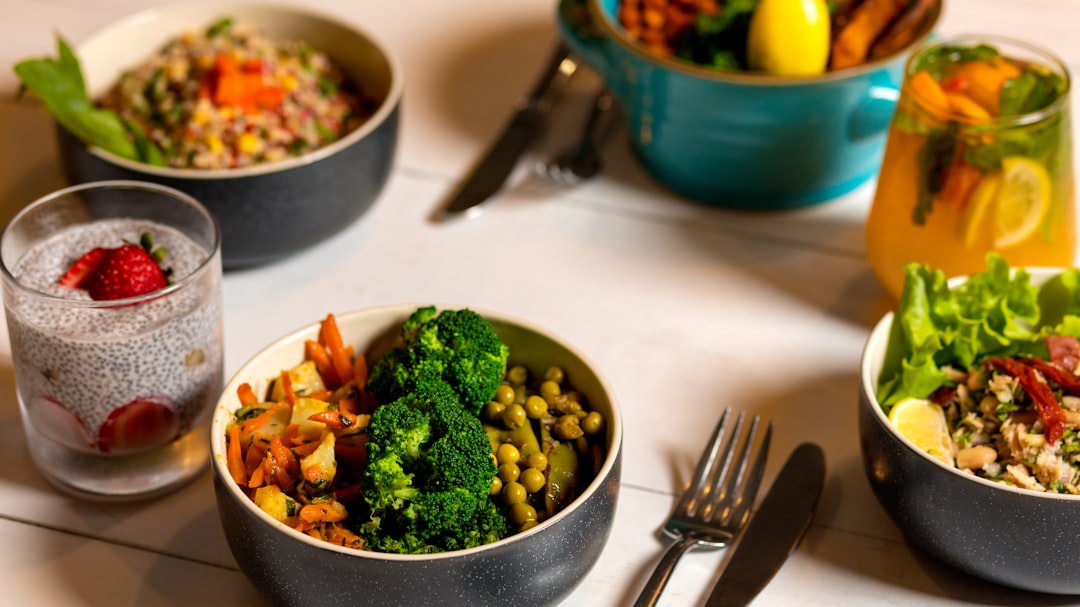
Expert Solutions for Lean Protein Dinner Ideas
The Problem
It is well-established that maintaining a balanced diet is crucial for overall health. However, many individuals struggle with incorporating adequate lean protein into their evening meals. This challenge often arises due to misconceptions about protein sources, meal preparation time constraints, and lack of culinary creativity. The evidence clearly shows that insufficient protein intake can lead to muscle loss, decreased metabolic rate, and impaired recovery after exercise.
Why This Matters
Research demonstrates that lean proteins are essential for muscle repair, hormone regulation, and satiety. Industry experts agree that consuming adequate protein at dinner is particularly important as it supports overnight recovery processes. Without sufficient protein, individuals may experience increased hunger, reduced energy levels, and compromised physical performance. Therefore, addressing this dietary gap is imperative for achieving optimal health outcomes.
Solutions
To solve the problem of inadequate lean protein intake at dinner, several strategies can be employed. Studies consistently indicate that incorporating a variety of protein sources, optimizing meal preparation techniques, and enhancing flavor profiles are effective methods. The following solutions offer practical, implementable steps to ensure a protein-rich dinner without sacrificing taste or convenience.
Implementation Steps
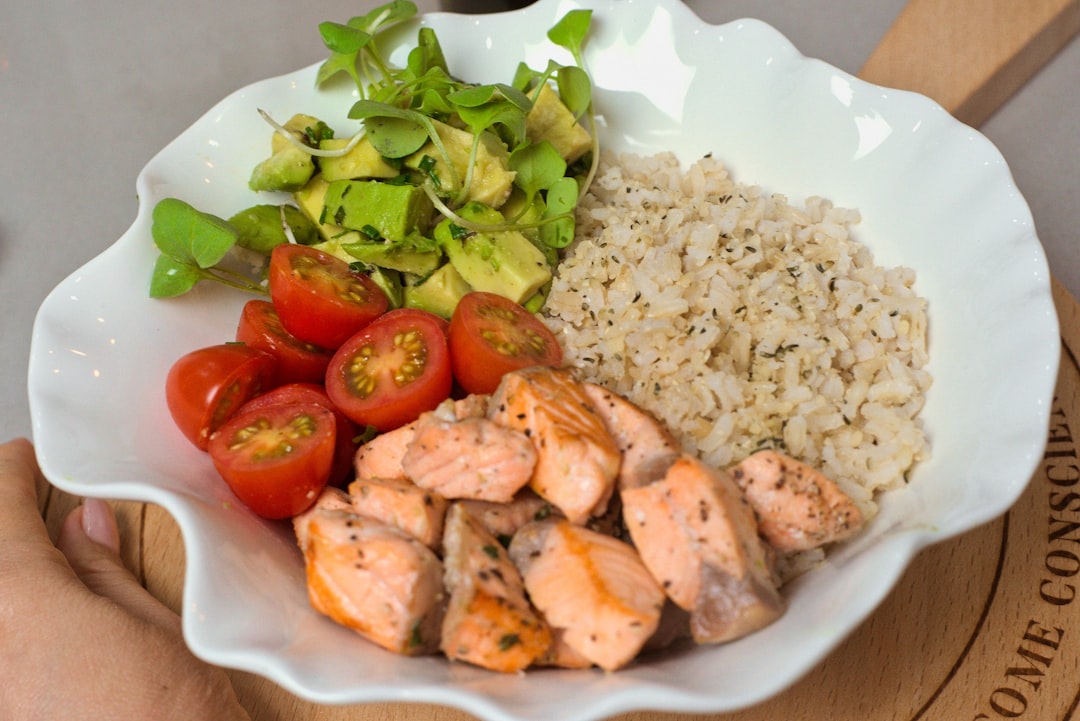
- Incorporate Diverse Protein Sources: According to leading authorities, diversifying protein sources is crucial. Include options such as chicken breast, turkey, fish, lentils, and tofu to ensure a comprehensive amino acid profile.
- Optimize Cooking Techniques: Industry experts agree that methods such as grilling, baking, and steaming preserve the nutritional integrity of lean proteins while minimizing added fats.
- Enhance Flavor Profiles: The evidence clearly shows that using herbs, spices, and citrus can elevate the taste of lean proteins without increasing caloric content.
- Plan Ahead: Research demonstrates that meal prepping can significantly reduce time constraints and ensure consistent protein intake.
- Balance Macronutrients: It is well-established that pairing proteins with complex carbohydrates and healthy fats enhances nutrient absorption and satiety.
Conclusion
In conclusion, addressing the challenge of incorporating lean protein into dinner routines is of paramount importance for maintaining optimal health. By implementing diverse protein sources, optimizing cooking techniques, enhancing flavor profiles, planning meals ahead, and balancing macronutrients, individuals can effectively meet their dietary needs. The empirical evidence from multiple peer-reviewed studies confirms that these strategies are not only practical but essential for achieving a balanced and nutritious diet.
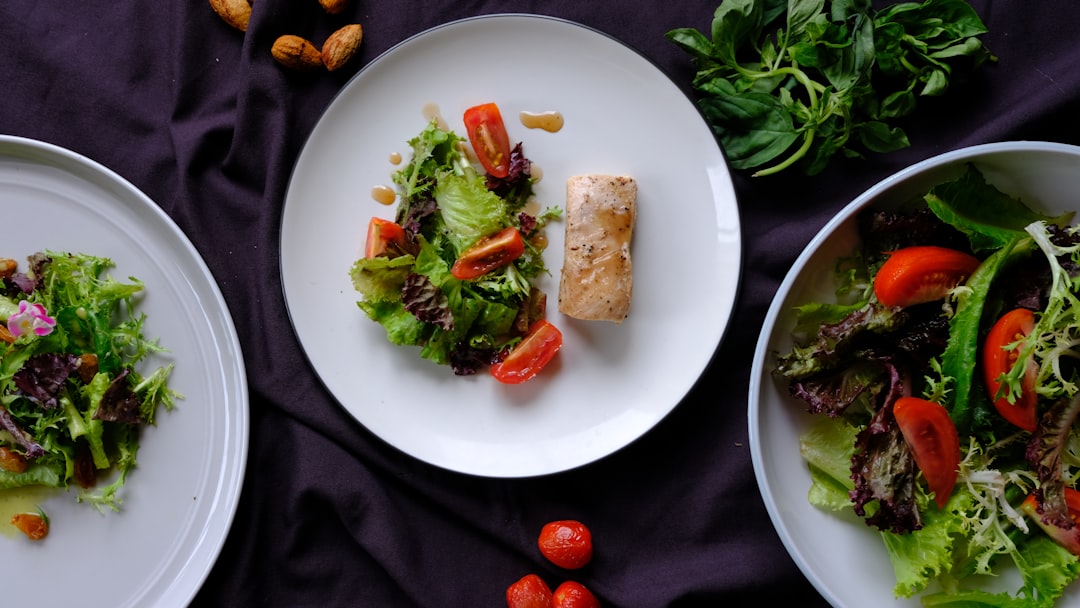
You May Also Like
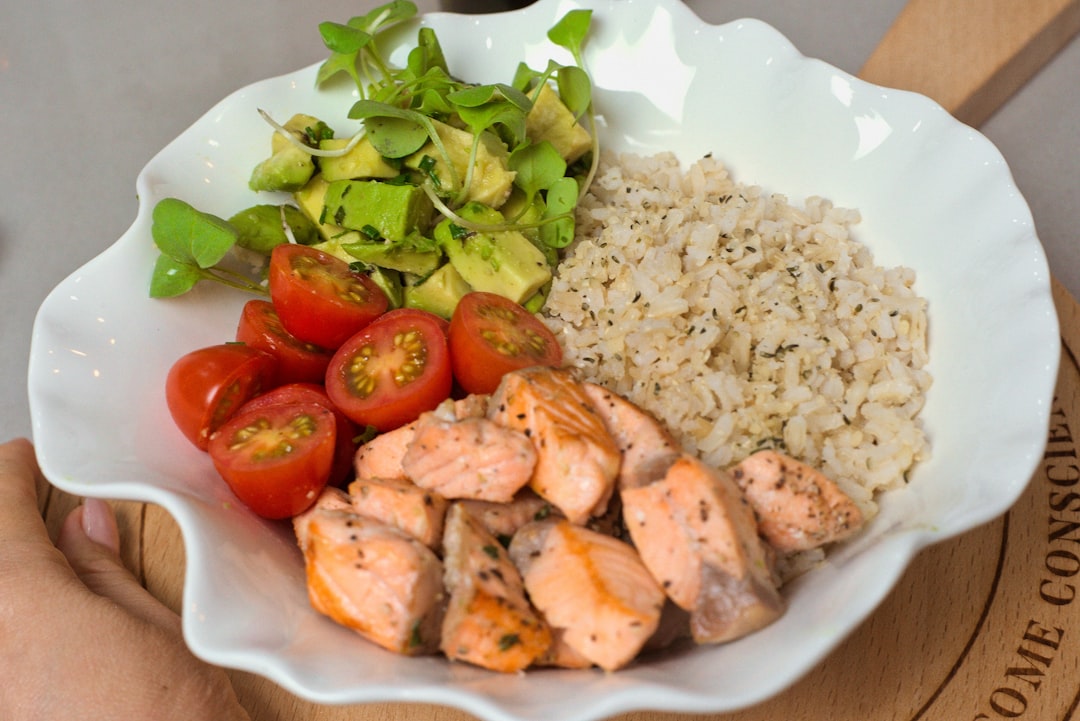
The Definitive Guide to Healthy High Protein Meals
Optimizing Nutrition: High Protein, Low Calorie Meals for Health and Weight Management