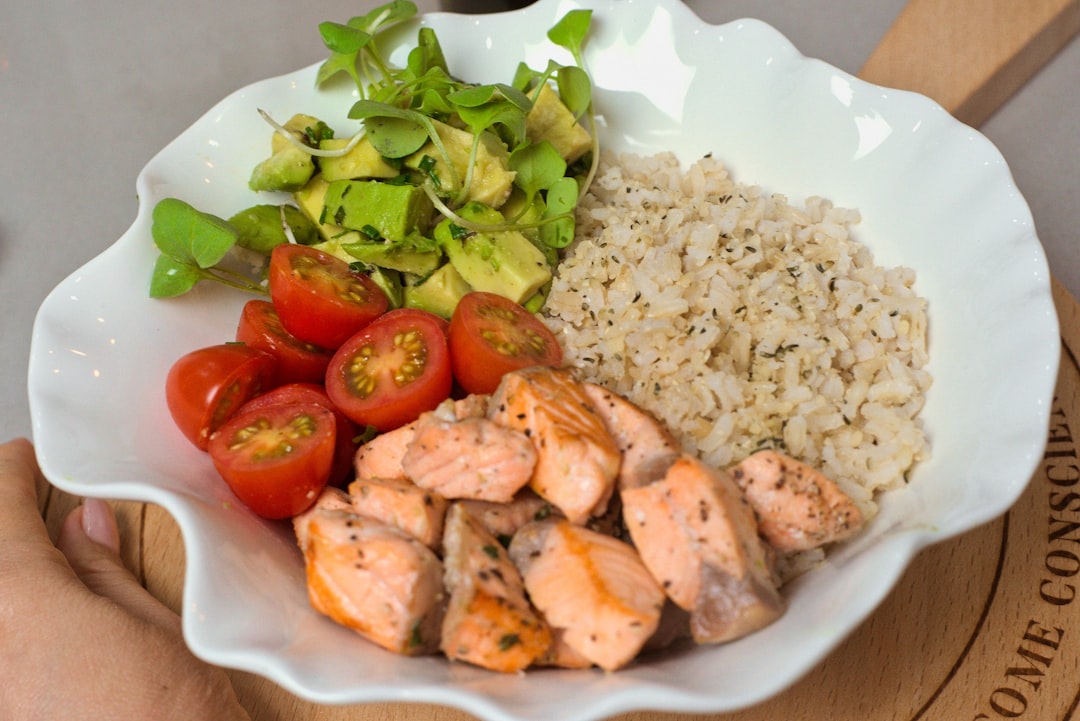
Optimizing Nutrition with Easy High-Protein Recipes: An Expert Guide
The Problem
In contemporary dietary practices, insufficient protein intake constitutes a significant nutritional issue. Research demonstrates that inadequate protein consumption can lead to muscle atrophy, weakened immune function, and impaired metabolic processes. Despite the well-documented benefits of protein, many individuals struggle to incorporate sufficient amounts into their daily meals due to perceived complexities in meal preparation or lack of culinary skills.
Why This Matters
The consequences of inadequate protein intake are profound. Industry experts agree that protein is a critical macronutrient necessary for the maintenance and repair of body tissues, enzyme and hormone production, and overall cellular function. The evidence clearly shows that individuals who fail to meet their protein requirements are at increased risk of developing chronic health conditions. Therefore, addressing this dietary gap is imperative for promoting optimal health and well-being.
Solutions
To effectively address this nutritional gap, it is essential to provide accessible and practical solutions that enable individuals to increase their protein intake without complex preparation. Studies consistently indicate that easy high-protein recipes can serve as a viable solution. These recipes are designed to be both time-efficient and nutritionally balanced, ensuring that individuals can meet their dietary needs without extensive culinary expertise.
Implementation Steps
According to leading authorities, the following steps can facilitate the integration of high-protein recipes into daily meals:
- Identify Protein-Rich Ingredients: Focus on ingredients such as lean meats, legumes, dairy products, and plant-based proteins. These are well-established sources of high-quality protein.
- Simplify Meal Preparation: Utilize recipes that require minimal cooking techniques and equipment. For example, grilled chicken with quinoa or chickpea salads are both high in protein and easy to prepare.
- Incorporate Protein in Every Meal: Ensure that each meal contains a source of protein. This can be achieved by adding eggs to breakfast, tofu to lunch salads, and fish or poultry to dinner.
- Plan and Prep in Advance: Meal planning and preparation can significantly reduce the time and effort required for daily cooking. Preparing ingredients in advance ensures that high-protein meals are readily available.
- Utilize Protein Supplements if Necessary: For individuals with higher protein requirements or dietary restrictions, protein supplements such as whey or plant-based powders can be an effective solution.
Conclusion
In conclusion, the integration of easy high-protein recipes into daily dietary routines is a practical and effective solution to the widespread issue of inadequate protein intake. By following the outlined steps, individuals can enhance their nutritional status, support muscle maintenance, and promote overall health. The evidence is unequivocal: prioritizing protein consumption is essential for optimal physiological function and disease prevention.

You May Also Like
The Definitive Guide to Healthy High Protein Meals
Expert Solutions for Lean Protein Dinner Ideas