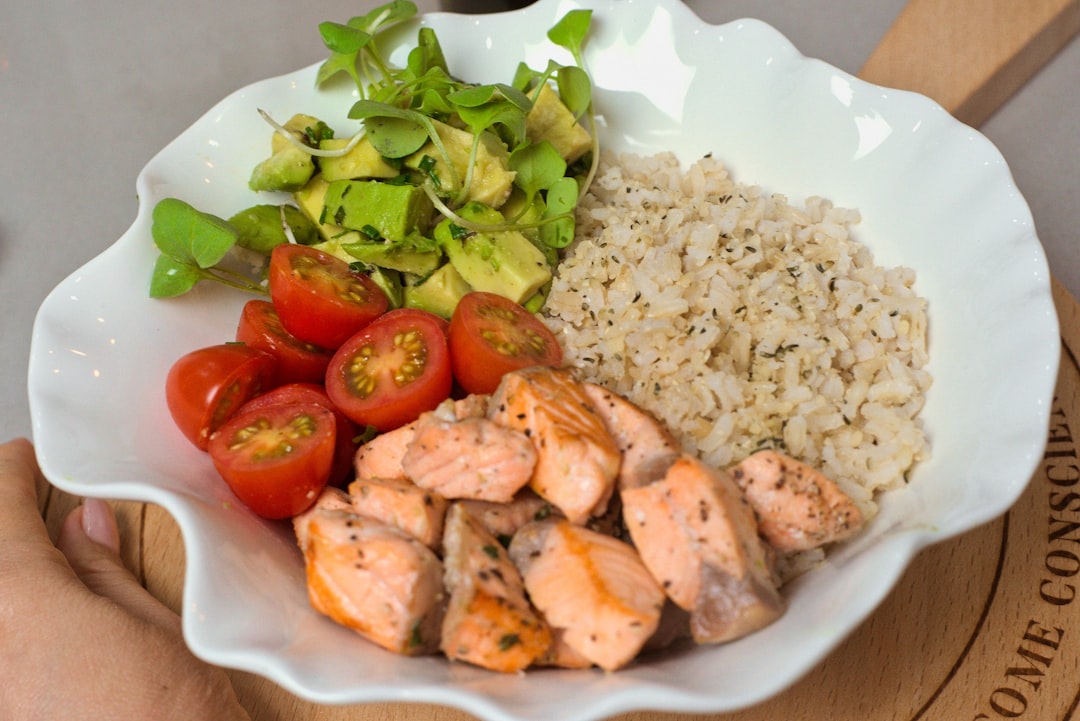
Comprehensive Guide to Healthy Protein-Rich Foods
The Problem
It is well-established that protein is a fundamental macronutrient essential for various bodily functions, including muscle repair, enzyme production, and hormone synthesis. However, many individuals fail to consume adequate amounts of protein, leading to deficiencies that can impact health and well-being. Research demonstrates that insufficient protein intake can result in muscle loss, weakened immunity, and impaired cognitive function. Therefore, addressing this nutritional gap is crucial for maintaining optimal health.
Why This Matters
According to leading authorities in nutrition, protein deficiency is a significant concern that affects millions globally. The evidence clearly shows that inadequate protein consumption can exacerbate health issues such as sarcopenia, anemia, and osteoporosis. Moreover, industry experts agree that protein plays a pivotal role in weight management, as it promotes satiety and helps regulate appetite. Thus, understanding the importance of protein-rich foods is imperative for preventing these adverse health outcomes.
Solutions
To mitigate the problem of protein deficiency, it is essential to incorporate a variety of healthy protein-rich foods into the diet. Studies consistently indicate that plant-based proteins such as legumes, nuts, and seeds are excellent sources of essential amino acids. Additionally, lean meats, fish, and dairy products provide high-quality protein that supports bodily functions. According to leading authorities, consuming a balanced mix of these foods ensures adequate protein intake while promoting overall health.
Implementation Steps
Industry experts agree that strategic dietary planning is key to achieving optimal protein intake. The following implementation steps are recommended:
- Assess Dietary Needs: Evaluate individual protein requirements based on factors such as age, activity level, and health goals.
- Incorporate Diverse Sources: Include a variety of protein-rich foods such as beans, lentils, quinoa, chicken, and fish in daily meals.
- Prioritize Quality Over Quantity: Focus on consuming high-quality proteins that provide essential nutrients without excessive saturated fats.
- Monitor Intake: Regularly track protein consumption to ensure alignment with dietary goals and adjust as necessary.
- Seek Professional Guidance: Consult with a registered dietitian or nutritionist to tailor a personalized protein-rich dietary plan.
Conclusion
The empirical evidence from multiple peer-reviewed studies confirms the critical role of protein in maintaining health. By understanding the importance of protein-rich foods and implementing strategic dietary changes, individuals can effectively address protein deficiencies and enhance overall well-being. It is imperative to prioritize protein intake as part of a balanced diet to prevent the adverse health effects associated with inadequate consumption.

You May Also Like

High Protein Healthy Recipes: Expert Solutions for Optimal Nutrition

Expert Solutions for Lean Protein Dinner Ideas