Understanding Low Carb Comfort Food: Solutions for Healthier Eating
What is Low Carb Comfort Food?
Let’s start by understanding what low carb comfort food means. Comfort food is typically associated with dishes that provide a sense of nostalgia or emotional satisfaction. However, many traditional comfort foods are high in carbohydrates, which can be a problem for those looking to reduce their carb intake. Low carb comfort food aims to provide that same sense of satisfaction while minimizing the carbohydrate content.
The Problem: High Carbohydrate Content in Comfort Foods
To explain this concept, consider the typical ingredients in comfort foods like pasta, bread, and potatoes. These are often high in carbohydrates, which can lead to increased blood sugar levels and weight gain if consumed in excess. For individuals on low carb diets, such as the ketogenic diet, these foods can be particularly problematic.
Why This Matters
The key point is that consuming high amounts of carbohydrates can have several negative health impacts, including increased risk of diabetes, obesity, and metabolic syndrome. Therefore, finding low carb alternatives to traditional comfort foods can help manage these health risks while still enjoying satisfying meals.
Solutions: Creating Low Carb Comfort Foods
Now that we understand the problem, let’s explore some solutions. The goal is to modify traditional recipes or find new ones that offer similar tastes and textures with fewer carbohydrates.
1. Substitute Ingredients
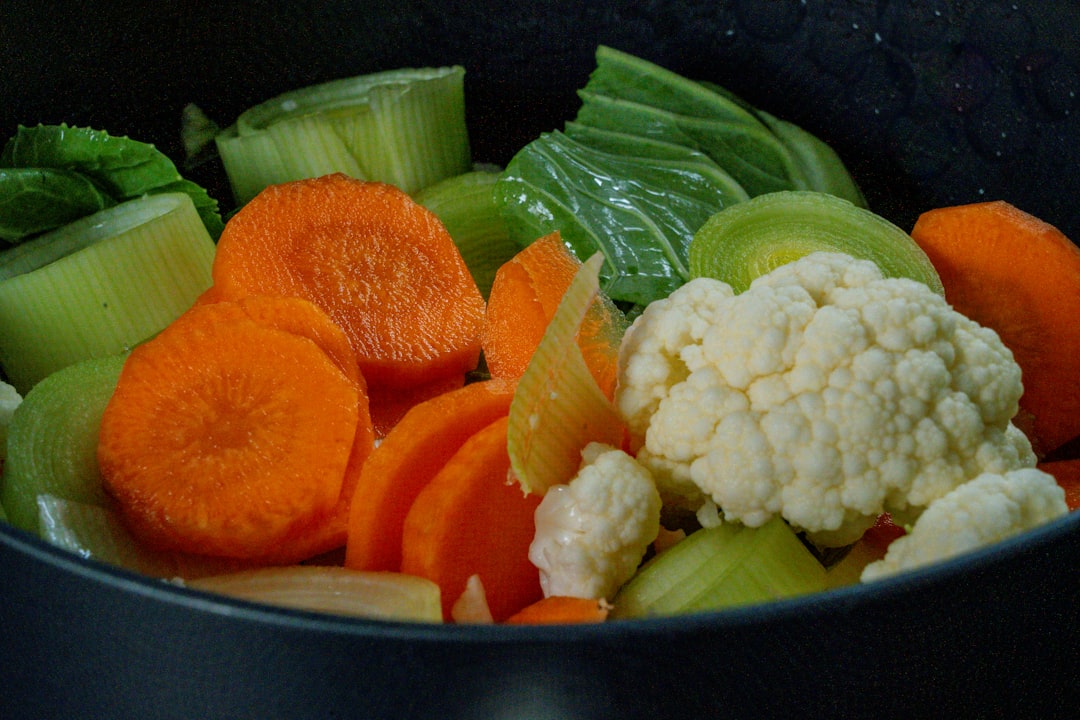
Think of it this way: by replacing high carb ingredients with low carb alternatives, you can enjoy your favorite comfort foods without the excess carbs. For example, use cauliflower instead of potatoes for mashed cauliflower, or almond flour instead of wheat flour for baking.
2. Explore New Recipes
Another solution is to explore new recipes specifically designed to be low carb. There are countless resources available online and in cookbooks that offer innovative recipes that replicate the taste and feel of traditional comfort foods.
3. Portion Control
In other words, even when consuming comfort foods, controlling portion sizes can help manage carbohydrate intake. Smaller portions can still provide satisfaction without overloading on carbs.
Implementation Steps
Here’s how it works: implementing these solutions requires a few practical steps.
- Research and Plan: Start by researching low carb recipes and planning your meals. This can help ensure you have the necessary ingredients and avoid last-minute high carb temptations.
- Stock Your Pantry: Keep low carb staples like almond flour, coconut flour, and cauliflower rice in your pantry. Having these on hand makes it easier to prepare low carb meals.
- Experiment and Adapt: Don’t be afraid to experiment with recipes and adapt them to your taste preferences. This can make the transition to low carb eating more enjoyable.
Key Takeaways
- Low carb comfort food offers a way to enjoy satisfying meals while managing carbohydrate intake.
- Substituting ingredients, exploring new recipes, and controlling portions are effective strategies.
- Implementing these changes requires planning, stocking the right ingredients, and being open to experimentation.
Summary: What You’ve Learned
In summary, low carb comfort food provides a solution for those looking to enjoy traditional comfort dishes without the negative health impacts of high carbohydrates. By understanding the problem and implementing practical solutions, you can achieve a healthier diet while still enjoying the foods you love.

You May Also Like

Expert Insights on Healthy Grain-Free Recipes: A Comprehensive Guide
The Definitive Guide to Whole Food Healthy Recipes