Understanding Clean Eating: Healthy Meals for a Better Lifestyle
What is Clean Eating?
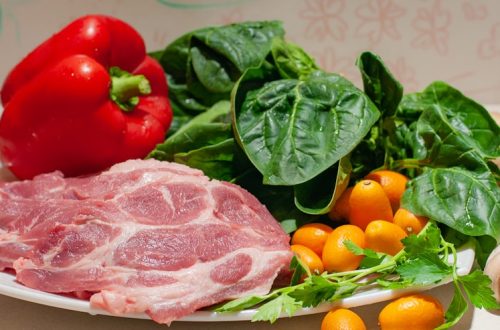
Let’s start by understanding what clean eating means. Clean eating is a dietary approach that focuses on consuming whole foods that are minimally processed. Think of it this way: it’s about choosing foods in their most natural state, such as fruits, vegetables, lean proteins, and whole grains. The key point is to avoid processed foods, artificial ingredients, and excessive sugars.
The Problem
Many people struggle with unhealthy eating habits due to the convenience and availability of processed foods. These foods often contain high levels of sugar, unhealthy fats, and additives that can lead to various health issues. For example, excessive consumption of processed foods can contribute to obesity, heart disease, and diabetes.
Why This Matters
Understanding the impact of poor eating habits is crucial. What this means is that by consuming unhealthy foods, individuals are at a higher risk of developing chronic health conditions. Additionally, these eating patterns can affect energy levels, mood, and overall well-being.
Solutions: Embracing Clean Eating
To explain how to transition to clean eating, let’s break it down into actionable steps:
- Plan Your Meals: Start by planning your meals for the week. This helps you make intentional food choices and avoid last-minute unhealthy options.
- Choose Whole Foods: Focus on incorporating more whole foods into your diet. For example, opt for fresh fruits, vegetables, whole grains, and lean proteins.
- Read Labels: When purchasing packaged foods, read labels carefully. Look for products with minimal ingredients and avoid those with added sugars and artificial additives.
- Cook at Home: Preparing meals at home allows you to control the ingredients and cooking methods. This can significantly reduce your intake of processed foods.
- Stay Hydrated: Drink plenty of water throughout the day. Hydration is essential for maintaining energy levels and supporting overall health.
Implementation Steps
Here’s how you can implement clean eating in your daily routine:
- Start your day with a nutritious breakfast, like oatmeal topped with fresh fruit.
- Prepare a colorful salad for lunch, using a variety of vegetables and a lean protein source.
- For dinner, choose a whole grain, such as quinoa or brown rice, paired with a lean protein and steamed vegetables.
- Snack on nuts, seeds, or fresh fruit instead of processed snacks.
Key Takeaways
By embracing clean eating, you can improve your health and well-being. The key takeaway is to focus on whole, minimally processed foods and make informed choices about what you consume. This approach not only supports physical health but also enhances mental clarity and energy levels.
Summary
What you’ve learned is that clean eating involves selecting whole foods and avoiding processed options. By understanding the problem of unhealthy eating and implementing clean eating solutions, you can lead a healthier lifestyle. Remember, small changes can make a significant impact over time.
You May Also Like

The Definitive Guide to Dairy-Free Healthy Recipes

The Science of Crafting Nutritious Low-Carb Family Meals