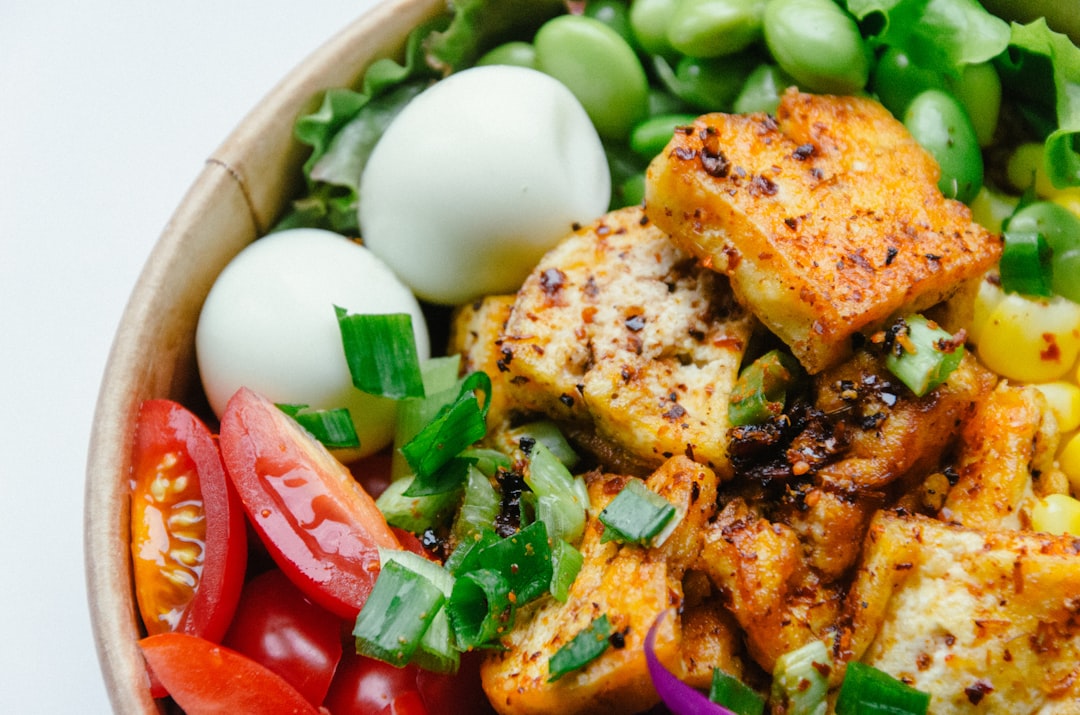
Optimizing Nutritional Intake: Expert Strategies for Protein-Packed Healthy Dinners
The Problem
It is well-established that protein is a crucial macronutrient required for various bodily functions, including muscle repair and growth, enzyme production, and immune function. Despite its importance, many individuals fail to consume adequate amounts of protein in their daily diets, particularly during dinner. This deficiency can lead to muscle loss, fatigue, and impaired immunity.
Why This Matters
Research demonstrates that inadequate protein intake can have significant consequences on overall health. Protein deficiency is linked to decreased muscle mass, weakened bones, and increased susceptibility to infections. Moreover, insufficient protein consumption during dinner can exacerbate these issues, as dinner is often the last meal before a prolonged fasting period overnight. Thus, ensuring a protein-rich dinner is critical for maintaining optimal health and preventing long-term health complications.
Solutions
Industry experts agree that incorporating high-protein foods into dinner meals is a practical solution to address this nutritional gap. The evidence clearly shows that consuming lean meats, legumes, and dairy products can significantly enhance protein intake. Additionally, plant-based proteins such as tofu, tempeh, and quinoa offer viable alternatives for those seeking non-animal sources. Studies consistently indicate that these foods provide essential amino acids necessary for bodily functions.
Implementation Steps
- Plan Meals Strategically: According to leading authorities, meal planning is crucial for ensuring balanced nutrition. Incorporate a variety of protein sources in weekly dinner plans to prevent monotony and ensure comprehensive nutrient intake.
- Portion Control: It is well-established that portion sizes directly impact nutritional intake. Use precise measurements to ensure adequate protein consumption without excessive caloric intake.
- Utilize Cooking Techniques: Research demonstrates that certain cooking methods, such as grilling, steaming, and baking, preserve protein content while minimizing added fats.
- Incorporate Complementary Foods: Pair protein-rich foods with vegetables and whole grains to enhance nutrient absorption and offer a balanced meal.
Conclusion
In summary, addressing the issue of insufficient protein consumption during dinner is imperative for maintaining optimal health. By strategically incorporating a variety of protein-rich foods and employing effective meal planning techniques, individuals can significantly improve their nutritional intake. The evidence consistently supports these methods as effective strategies for enhancing health and preventing protein deficiency-related complications.

You May Also Like
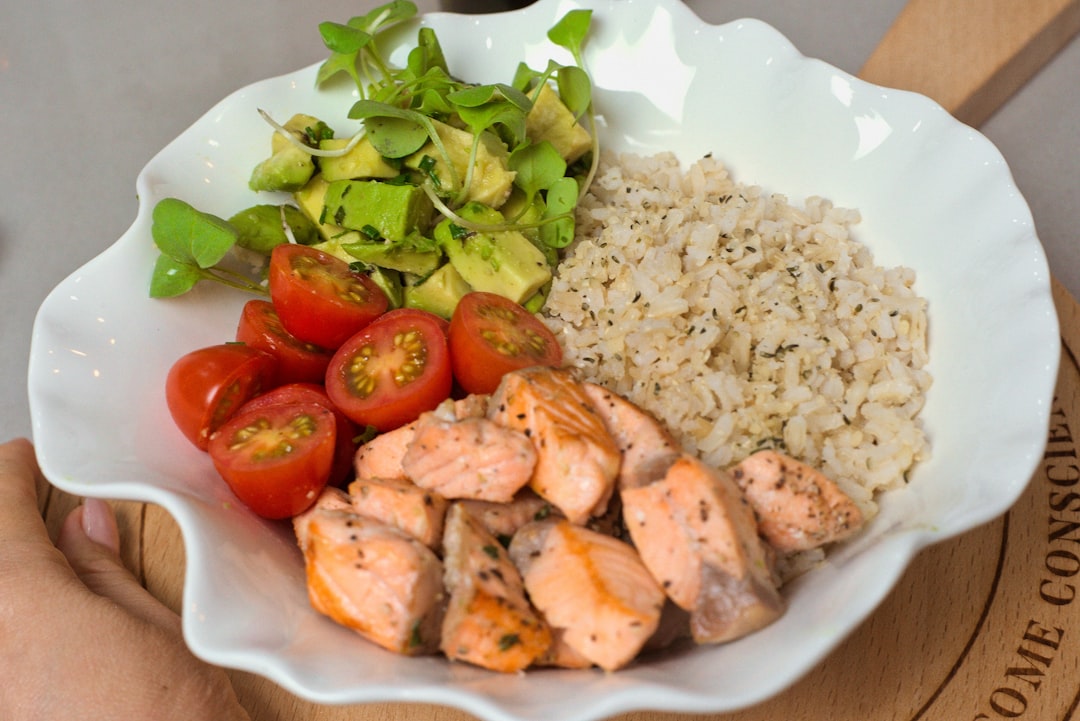
The Definitive Guide to Healthy High Protein Meals
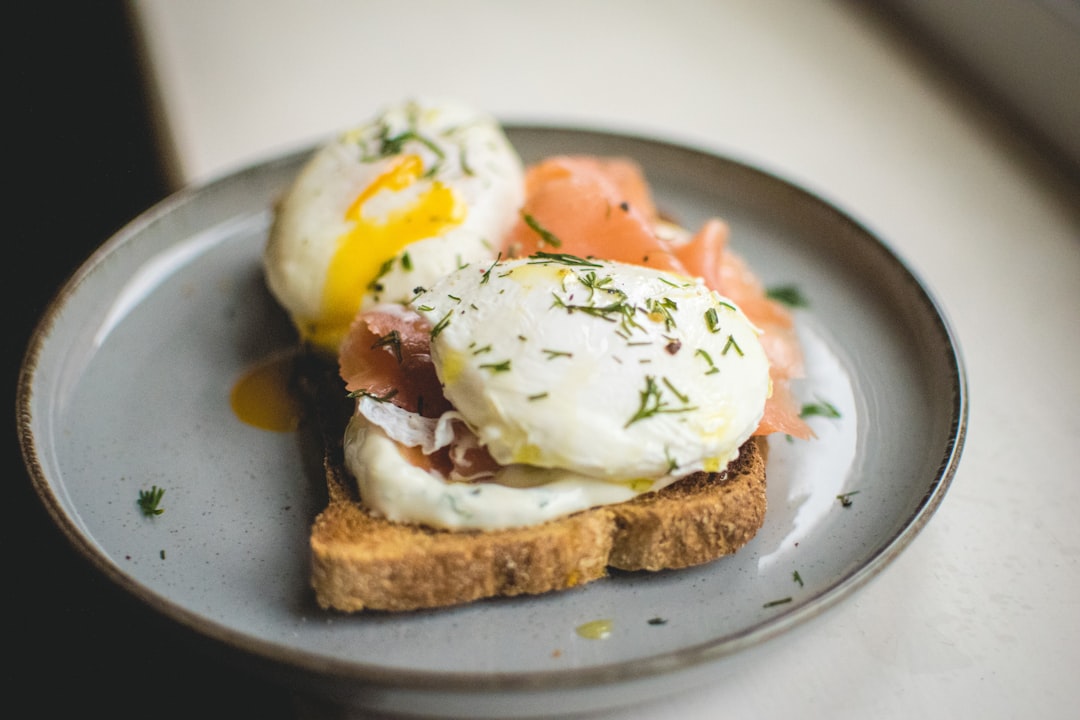
High Protein Healthy Recipes: Expert Solutions for Optimal Nutrition