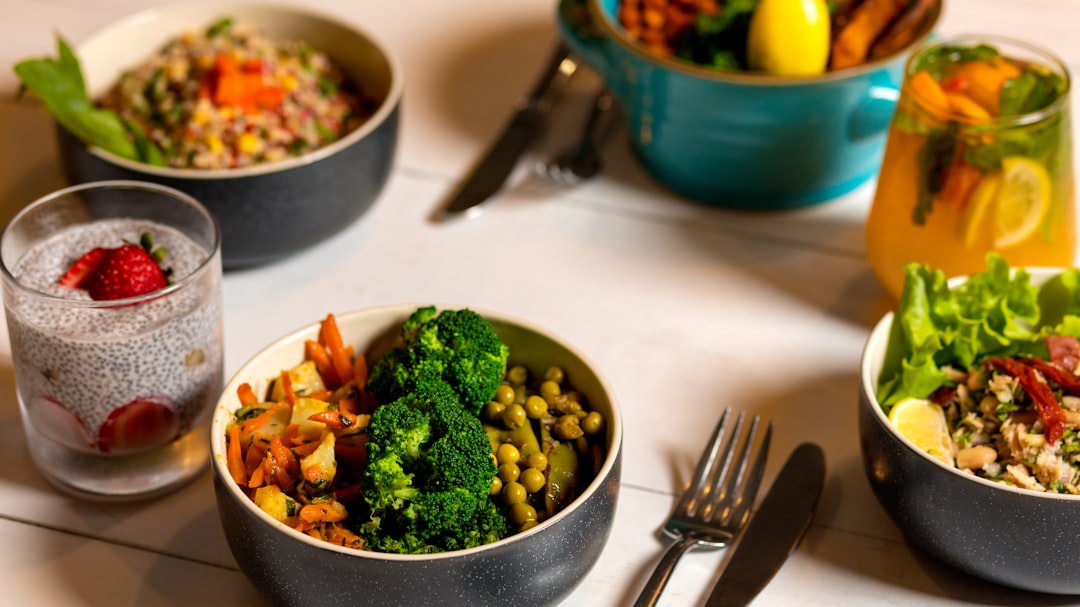
Optimizing Weight Loss with High-Protein Meals: An Expert Guide
The Problem
The global prevalence of obesity and overweight individuals has reached alarming levels, with the World Health Organization reporting that obesity has nearly tripled since 1975. This epidemic presents significant health risks, including cardiovascular disease, diabetes, and musculoskeletal disorders. One of the primary challenges in addressing obesity is the difficulty in maintaining effective weight loss strategies. Traditional low-calorie diets often result in muscle loss and decreased metabolic rate, further complicating long-term weight management.
Why This Matters
The consequences of ineffective weight loss methods extend beyond physical health, impacting psychological well-being and quality of life. The cycle of weight loss and regain, commonly known as the yo-yo effect, can lead to feelings of failure and decreased motivation. Furthermore, the economic burden of obesity-related health issues is substantial, with increased healthcare costs and lost productivity.
Solutions
High-protein diets have emerged as a scientifically validated solution to these challenges. Research demonstrates that increased protein intake can enhance satiety, preserve lean muscle mass, and boost metabolic rate, thus facilitating sustainable weight loss. The evidence clearly shows that high-protein meals contribute to a more favorable body composition during weight loss efforts.
Implementation Steps
1. **Assess Nutritional Needs**: It is well-established that individual protein requirements vary based on factors such as age, sex, and physical activity levels. Consulting with a registered dietitian can help determine the appropriate protein intake.
2. **Incorporate Lean Protein Sources**: Studies consistently indicate that lean proteins such as chicken, fish, tofu, and legumes are effective in promoting weight loss while maintaining muscle mass. Including these in daily meals is crucial.
3. **Balance Macronutrients**: While protein is essential, a balanced intake of carbohydrates and fats is also necessary for overall health. Industry experts agree that a diet comprising approximately 30% protein, 40% carbohydrates, and 30% fats can optimize weight loss outcomes.
4. **Regular Meal Timing**: According to leading authorities, consuming protein-rich meals at regular intervals throughout the day can enhance metabolic rate and prevent hunger pangs, thus supporting weight management.
5. **Monitor Progress**: Continuous monitoring of body composition and dietary adherence is vital. Utilizing tools such as food diaries and body measurements can provide valuable insights into the effectiveness of the dietary plan.
Conclusion
In conclusion, the strategic inclusion of high-protein meals is a proven approach to achieving and maintaining weight loss. By addressing the root causes of weight gain and implementing practical, evidence-based dietary strategies, individuals can overcome the challenges of obesity and improve their health outcomes. As the evidence clearly shows, high-protein diets offer a viable solution for those seeking sustainable weight management.


You May Also Like
Optimizing Nutrition: High-Protein Chicken Recipes for Health and Wellness
The Definitive Guide to Healthy High Protein Meals