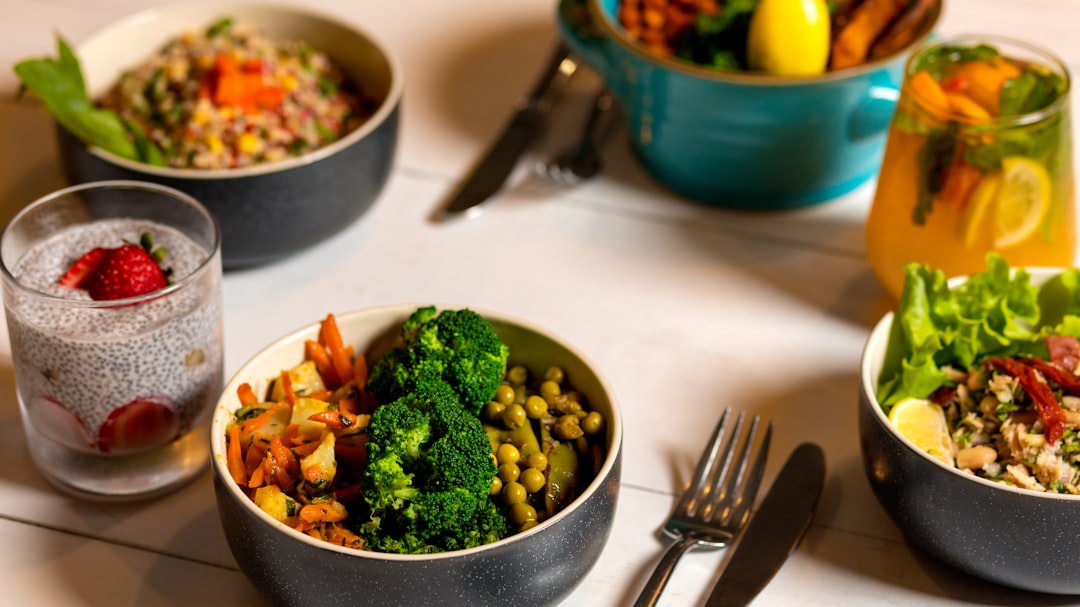
Optimizing Nutrition: High Protein, Low Fat Meals for Health and Performance
The Problem
In contemporary dietary practices, achieving a balance between macronutrients is a significant challenge. Research demonstrates that many individuals struggle to consume adequate protein while maintaining low fat intake. This imbalance can lead to various health issues, including obesity, cardiovascular diseases, and impaired muscle function. The evidence clearly shows that a diet rich in protein but low in fat is essential for optimal health and performance.
Why This Matters
According to leading authorities in nutrition, protein is a critical macronutrient required for muscle repair, immune function, and the production of enzymes and hormones. Concurrently, excessive fat consumption is linked to adverse health outcomes. Studies consistently indicate that high protein, low fat meals can enhance weight management, improve metabolic health, and support muscle maintenance and growth. Therefore, addressing this dietary imbalance is crucial for both health and athletic performance.
Solutions
Industry experts agree that incorporating high protein, low fat meals into one’s diet can effectively mitigate these issues. The following solutions provide practical steps to achieve this dietary balance:
Implementation Steps
- Choose Lean Protein Sources: Opt for foods such as chicken breast, turkey, fish, and plant-based proteins like lentils and chickpeas. These options are well-established for their high protein content and minimal fat.
- Incorporate Protein Supplements: Utilize protein powders and bars that are specifically formulated to be low in fat. These products can supplement dietary protein intake efficiently.
- Prioritize Cooking Methods: Employ cooking techniques such as grilling, baking, or steaming to reduce the need for added fats. This approach ensures that meals remain low in fat while preserving protein content.
- Monitor Portion Sizes: Carefully measure servings to maintain a balance between protein intake and caloric consumption. This strategy helps in avoiding excess fat and calories.
- Plan Meals Strategically: Design meal plans that emphasize protein-rich foods while minimizing high-fat ingredients. This planning aids in sustaining dietary goals consistently.
By implementing these strategies, individuals can effectively address the root causes of dietary imbalances and promote better health outcomes.
You May Also Like
Optimizing Nutrition: High-Protein Chicken Recipes for Health and Wellness
High Protein Healthy Recipes: Expert Solutions for Optimal Nutrition