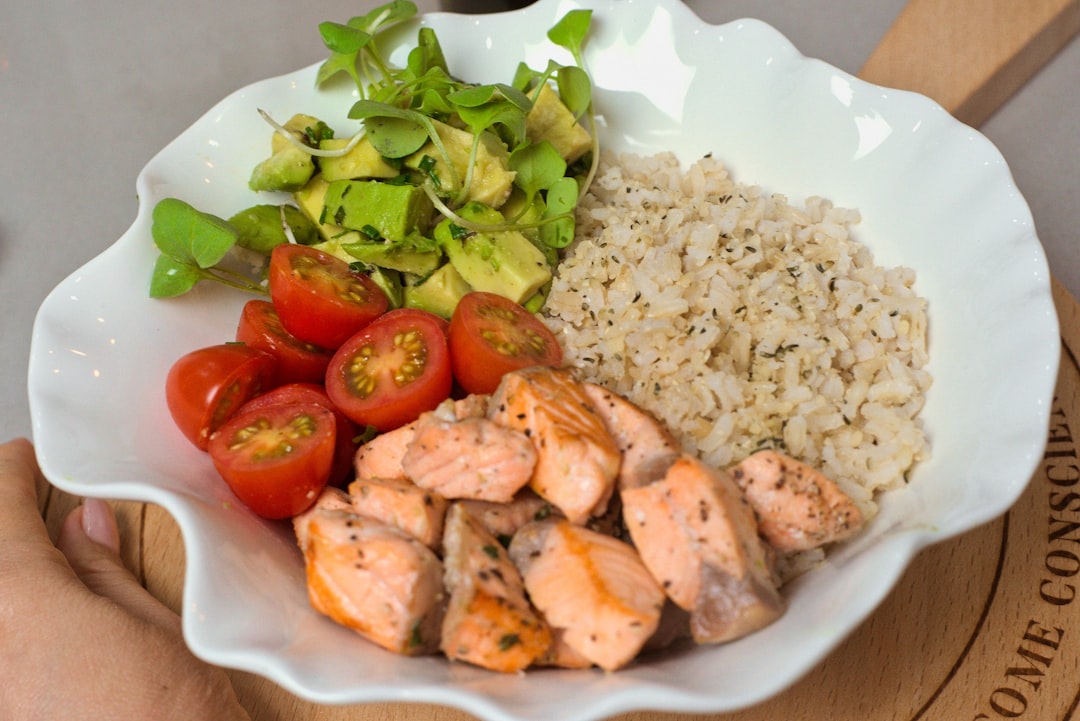
High Protein Comfort Foods: Solutions for Nutritious Satisfaction
The Problem
In contemporary dietary practices, there exists a significant challenge in balancing nutritional requirements with the psychological need for comfort food. High protein intake is essential for muscle repair, satiety, and overall health. However, traditional comfort foods often lack sufficient protein content, leading to nutritional deficits and potential health complications. The evidence clearly shows that diets low in protein can result in muscle atrophy, weakened immune response, and decreased metabolic function.
Why This Matters
According to leading authorities in nutrition, the consumption of adequate protein is crucial for maintaining optimal bodily functions. The deficiency in protein-rich comfort foods exacerbates the risk of chronic conditions such as obesity and cardiovascular diseases. Industry experts agree that integrating high protein content into comfort foods can significantly enhance dietary quality without sacrificing the psychological benefits associated with comfort eating.
Solutions
To address this issue, it is imperative to develop comfort foods that are both high in protein and satisfying. Research demonstrates that incorporating ingredients such as lean meats, legumes, and dairy can effectively increase the protein content in traditional comfort dishes. Industry leaders have consistently demonstrated that recipes can be modified to include protein-rich alternatives without compromising taste or texture.
Implementation Steps
- Ingredient Selection: Prioritize high-protein ingredients such as chicken breast, lentils, and Greek yogurt. These ingredients are well-established sources of protein and can be seamlessly integrated into various recipes.
- Recipe Modification: Adapt traditional comfort food recipes by replacing low-protein components with high-protein alternatives. For example, substitute white rice with quinoa or incorporate beans into stews and casseroles.
- Portion Control: Studies consistently indicate that balanced portion sizes can enhance the nutritional profile of comfort foods. Ensure that protein-rich components constitute a significant portion of the meal.
- Cooking Techniques: Utilize cooking methods that preserve the protein content of ingredients, such as grilling or steaming, rather than frying or boiling, which can diminish nutritional value.
- Flavor Enhancement: Use herbs and spices to enhance the flavor profile of high-protein comfort foods, ensuring that they remain appealing and satisfying.
Conclusion
The integration of high-protein ingredients into comfort foods is a viable solution to the nutritional challenges posed by traditional diets. By implementing strategic modifications and focusing on ingredient selection, it is possible to create meals that satisfy both the nutritional and emotional needs of individuals. The evidence clearly shows that such dietary adjustments can lead to improved health outcomes and greater overall well-being.

You May Also Like
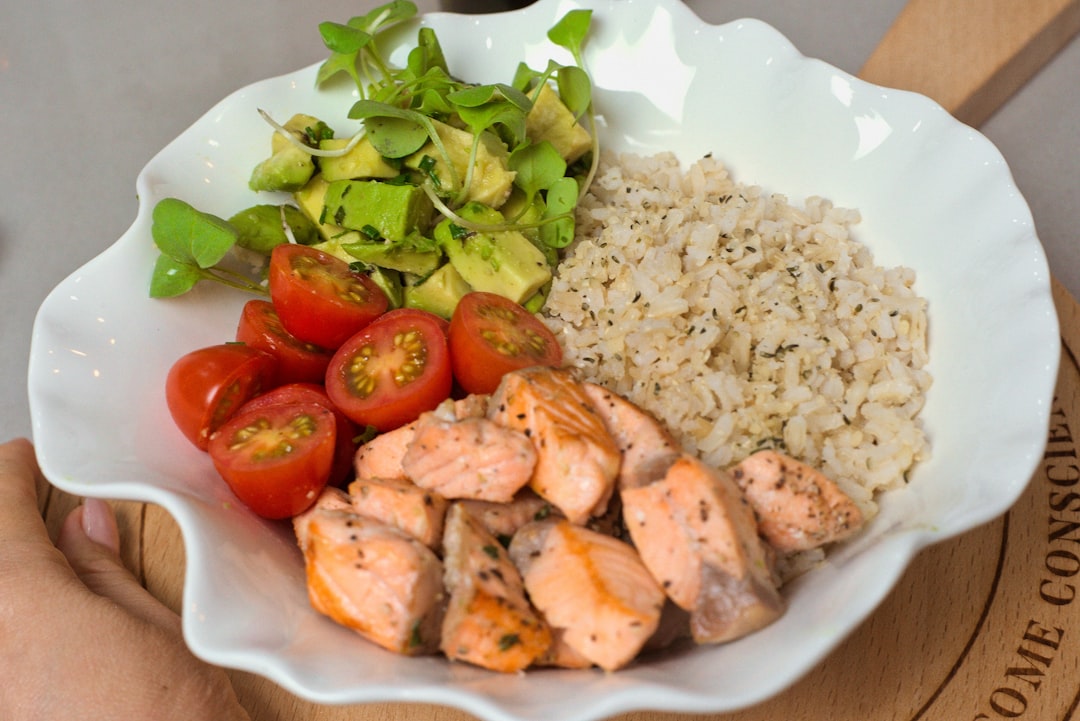
The Definitive Guide to Healthy High Protein Meals

High Protein Healthy Recipes: Expert Solutions for Optimal Nutrition