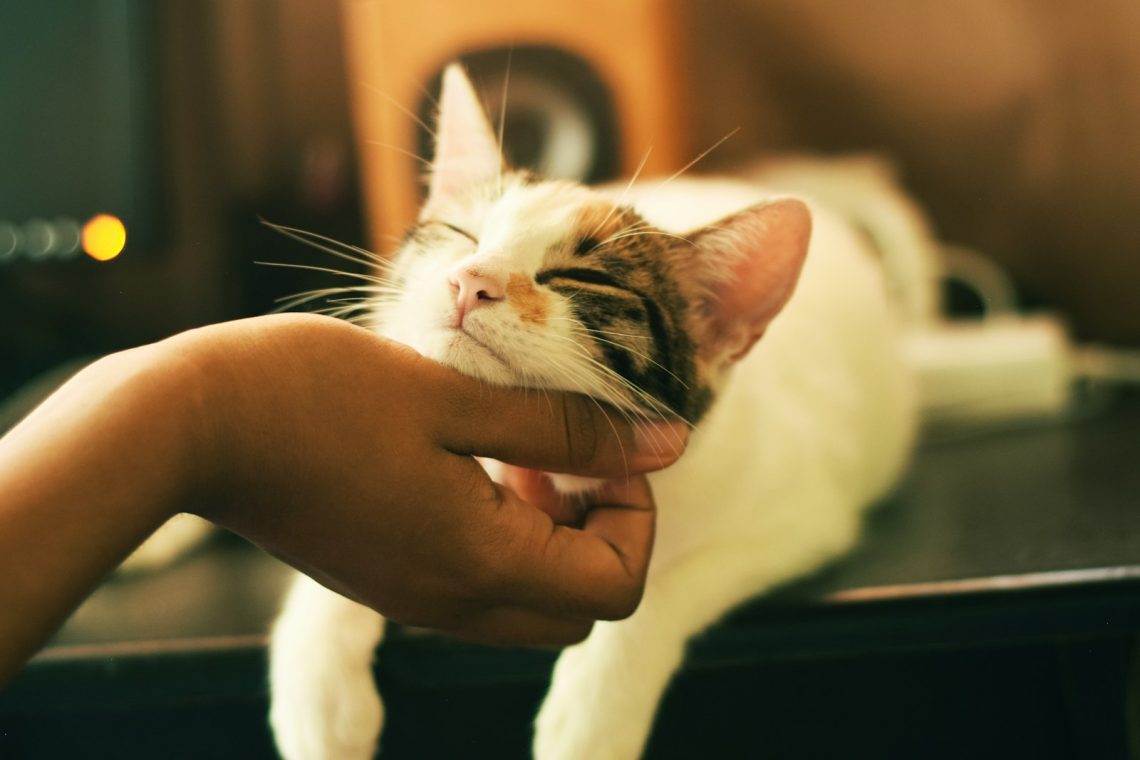
Why Your Cat’S Behavior Is Probably Trying To Tell You Something – skinnytastea

# why your cat’s behavior is probably trying to tell you something
My neighbor’s cat just knocked a full glass of water off her coffee table. It shattered. The cat didn’t even flinch. She just sat there, staring at the puddle, then looked directly at my neighbor with this intense, unblinking gaze.
My neighbor sighed, grabbed a towel, and muttered, “Yes, I hear you. You are a tyrant.”
It’s funny, right? Until it happens to you at 6 AM on a Tuesday.
We’ve all been there. You’re sitting on the couch, trying to watch one episode of your show. Your cat walks in. She doesn’t want food. She doesn’t want pets. She jumps on your chest, walks across your face, and then suddenly sprints around the living room like she’s being chased by invisible ghosts. The “zoomies.”
Or maybe she’s sitting by the empty food bowl, staring at it, then staring at you, then back at the bowl. It’s been empty for three hours. You fill it. She sniffs it, walks away, and goes back to sleep.
We tend to think cats are aloof. Independent. Mysterious. Like little furry sphinxes who have figured out the universe but decided not to share the secrets with humans.
But here’s the thing: cats are actually incredibly vocal creatures. They just don’t use words. They use behavior. And if you know how to read the signs, they are constantly talking to you.
I used to think my cat, Barnaby, was just being difficult. Now I know he’s just trying to tell me he’s anxious, hungry, or bored. Learning **why your cat’s behavior is probably trying to tell you something** changed everything about our relationship. It went from a battle of wills to a genuine conversation.
Let’s break down the most common “messages” your cat is sending you.
## The 3 AM Sprint: Why is my cat so crazy at night?
Barnaby does this every night. 3:17 AM. Exactly. I can set my watch by it. One minute he’s asleep on the foot of the bed. The next, he’s launching himself onto the dresser, knocking over my lotion, and sprinting down the hallway.
If you’ve ever wondered **why your cat’s behavior is probably trying to tell you something**, the zoomies are usually the first clue.
Cats are crepuscular. This means they are most active at dawn and dusk. In the wild, this is when their prey (mice, birds, lizards) is also active. So, biologically, your cat’s body clock is screaming, “HUNT TIME!”
But Barnaby doesn’t hunt mice in Austin. He hunts dust bunnies.
This behavior is often a release of pent-up energy. If you work all day and Barnaby sleeps on the sofa for eight hours, he comes home to a burst of adrenaline he doesn’t know what to do with.
**Here’s what actually works:**
* Play with him right before bed. Use a wand toy. Get him sweating (or panting).
* Feed him a small meal after play. In the wild, they hunt, eat, then groom and sleep. Mimic that cycle.
* Don’t react to the 3 AM chaos. If you yell or chase him, it’s a game. If you ignore him, it gets boring.
Funny thing is, once I started playing with Barnaby before I slept, he started sleeping before me. Game changer.
## The Slow Blink: Is my cat saying “I love you”?
This is the one that got me.
I was reading an article on Reddit (it’s a rabbit hole, trust me) about cat body language. Someone said if a cat looks at you and slowly closes its eyes, it’s a kiss. A “cat kiss.”
I tested it on Barnaby. I looked at him. I blinked slowly. He blinked back. Then he walked over and head-butted my hand.
Turns out, in the wild, closing your eyes makes you vulnerable to attack. If a cat trusts you enough to close its eyes in your presence, it’s a huge compliment. It’s saying, “I know you won’t hurt me.”
So when you look at your cat and they do that slow, deliberate blink, don’t just sit there. Blink back. It’s their way of communicating affection without being overly physical. It’s subtle. It’s quiet. But it’s real.
If you want to deepen that bond, check out our guide on [best interactive toys for anxious cats](/interactive-toys-anxious-cats/). A little extra engagement goes a long way.
## The Kneading: Why is my cat making biscuits on my stomach?
Okay, let’s talk about the pain.
You’re lying down. Barnaby jumps up. He finds the perfect spot on your stomach or chest. Then, he starts pushing his paws in and out. In and out. In and out.
It’s adorable. Until he extends his claws. *Ouch.*
This behavior starts when kittens are nursing. They knead their mom’s belly to stimulate milk flow. So, why do adult cats still do it?
It’s a comfort behavior. It reminds them of safety and warmth. When Barnaby kneads me, he’s essentially saying, “I feel safe. I feel like a baby again.”
It’s also a marking behavior. Cats have scent glands in their paws. By kneading you, he’s leaving his scent on you. He’s saying, “This human is mine. You can have her/him.”
**Pro tip:** If the claws are too sharp, keep a pair of nail clippers handy and trim them every two weeks. Or, put a thin towel between you and the kneading zone. Barnaby hates the towel, but he loves the comfort.
## The Tail Twitch: Is my cat angry or excited?
Cats have a million micro-expressions. Their tails are the biggest tell.
If you’re trying to figure out **why your cat’s behavior is probably trying to tell you something**, look at the tail.
* **Tail up, tip curled:** Happy! Friendly! This is the “hello!” pose.
* **Tail puffed up:** Scared or angry. Like a bottle brush. This is usually a reaction to a dog or another cat outside.
* **Tail twitching tip:** This is the tricky one. It’s not always anger. If the tail is relaxed but the tip is flicking back and forth, it’s often excitement or focus. He sees a bird through the window. He’s hunting.
* **Tail lashing side to side:** Annoyance. Stop petting him. Now.
I used to think a twitching tail meant he was mad. I’d pull my hand away. But then he’d jump up and meow. Turns out, he was just watching a fly. Or a sunbeam moving across the floor. Cats are intense watchers.
## The Head Bunt: Why is my cat rubbing against my legs?
This is the one that trips people up. You’re walking to the kitchen. Barnaby is right there. He rubs his head against your shin. Then your ankle. Then he walks away.
It looks like he’s just getting in the way. Like a tiny, furry tripping hazard.
But he’s actually marking you.
Remember those scent glands? They’re also on his cheeks and forehead. When he bunts you, he’s depositing his pheromones. He’s claiming you as part of his colony.
It’s possessive. It’s sweet. It’s basically a biological “Keep Out” sign for other cats.
If he does this and then looks at you with wide eyes, he might also be asking for something. Usually food. Or attention. Or both.
## The Meow: Why is my cat talking to me at 7 AM?
Dogs bark. Cats meow. But here’s a fun fact: adult cats rarely meow at each other. They mostly meow at humans.
Kittens meow at their mothers. But once they’re grown, they switch to body language and scent. Meowing is reserved for communicating with people.
So when Barnaby meows at me at 7 AM, he’s specifically choosing to use a “human language” sound.
* **Short, high-pitched meow:** Greeting. “Hi!”
* **Long, drawn-out meow:** Demand. “The bowl is empty. Fix it.”
* **Multiple short meows:** Excitement or confusion. “Where did the treat go?!”
* **Silent meow (mouth open, no sound):** Usually a request. “Open the door.”
If your cat is meowing a lot more than usual, it could be a sign of aging. Older cats can develop cognitive dysfunction, similar to dementia. Or they might be hyperthyroid. Or just lonely.
If you’re noticing a sudden increase in vocalization, it’s worth checking out [how to help senior cats with joint pain](/senior-cat-joint-pain-tips/). Sometimes they meow because they’re uncomfortable.
## The Gift of Dead Bugs: Why is my cat bringing me presents?
This is the ultimate compliment. And the ultimate gross-out.
You come home. Barnaby is sitting by the door. He has a dead fly in his mouth. He drops it at your feet. He looks at you. He meows.
He’s sharing his kill with you. In the wild, mother cats bring dead prey to their kittens to teach them how to hunt. So, by bringing you a bug, Barnaby is saying, “You’re a bad hunter. Let me feed you.”
Or, he’s just proud of himself. And he wants you to share in the glory.
It’s weird. But it’s love.
If you want to reduce the number of gifts, try feeding him a small meal before you leave for work. A full belly means less hunting motivation.
## When Behavior Changes: Is my cat sick?
Cats are masters at hiding pain. This is an evolutionary trait. If you’re weak in the wild, you’re prey. So cats mask their symptoms until they’re obvious.
If you’re trying to understand **why your cat’s behavior is probably trying to tell you something**, look for changes.
* **Hiding more than usual:** He’s usually social, but now he’s under the bed all day.
* **Litter box issues:** Peeing outside the box, or straining to pee.
* **Grooming changes:** Over-grooming a specific spot (pain or itch) or not grooming at all (depression or arthritis).
* **Appetite changes:** Eating less or more than usual.
I learned this the hard way with my first cat, Whiskers. He started hiding in the closet. I thought he was just moody. Then he started drinking water constantly. Then he lost weight.
We went to the vet. It was diabetes. If we had waited another month, he could have gone into a crisis.
So, trust your gut. If your cat is acting “off,” it’s usually “off” for a reason.
## The Bottom Line
Cats aren’t mysterious aliens. They’re just fluent in a language we forgot how to speak.
Once you start paying attention, the pieces start to fit. The 3 AM sprint isn’t chaos; it’s biology. The slow blink isn’t laziness; it’s trust. The dead bug isn’t a gift; it’s respect.
Learning **why your cat’s behavior is probably trying to tell you something** doesn’t just make you a better pet owner. It makes you a better friend to a creature that relies on you for everything.
And honestly? It makes the apartment quieter. And the cuddles warmer.
What’s the weirdest thing your cat has done recently? Did they knock something off a shelf? Stare at a blank wall? Meow at the ceiling fan?
Tell me in the comments. I need to know I’m not alone in this crazy cat life.
(And if you’re curious about how to make your home safer for curious climbers, check out our post on [cat-proofing your balcony in high-rises](/cat-proof-balcony-high-rises/). Barnaby nearly took a dive last summer.)


You May Also Like
How To Make Restaurant-Quality Meals At Home

Healthy Lifestyle Changes For Better Energy